Guides
5 honest notes on towing company discovery call
Five notes from a towing company discovery call: who actually answers the phone, what the truck can promise, and what the contract really says.
What to take away
- A towing company discovery call is a working session. It is not a pitch. You leave it with facts you can price.
- Note onewho answers the phone at 2 a.m., and how fast. That person decides whether the contract is worth signing.
- Note twowhat your trucks can legally and physically do, checked against FMCSA cargo securement rules before you promise it.
- Note threethe customer's billing path, because a fleet account and a stranded motorist pay on completely different clocks.
- Note fourwhat the contract says about liability, storage and who pays for a dry run.
- Note fivewhat the customer already tried and dropped, which tells you the real reason they called.
This article covers towing-company business decisions, not roadside procedure. For recovery technique, securement and scene safety, use certified towing and recovery training and your state or provincial safety authority. For licensing, permits, insurance, tax and contract terms, ask the agency that issues them and a licensed attorney or accountant.
Run the call in five blocks: after-hours routing, equipment match, billing path, contract terms and history. Write the answers in the customer's own words, then read them back before you quote.
Five notes worth writing down
1. Who picks up at 2 a.m.
Ask who answers the after-hours line and what happens when nobody does. A motor club, a police rotation or a fleet dispatcher all route differently, and the route determines your response window.
AAA, Agero, Urgently and Honk are real roadside networks that dispatch jobs to towing providers. Each has its own service level, call script and payment rules. Ask which one the customer uses and what the average ring-to-answer time is.
Then ask what the customer does when your line rings out. Most call the next name on the list and never come back. That single answer is worth more than the rate sheet.
2. What the truck can promise
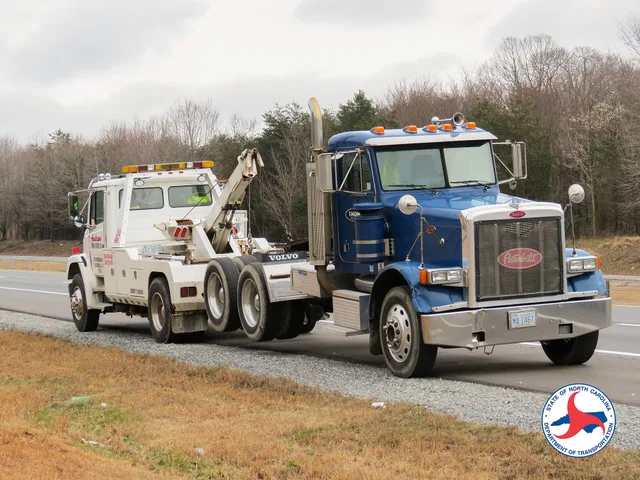
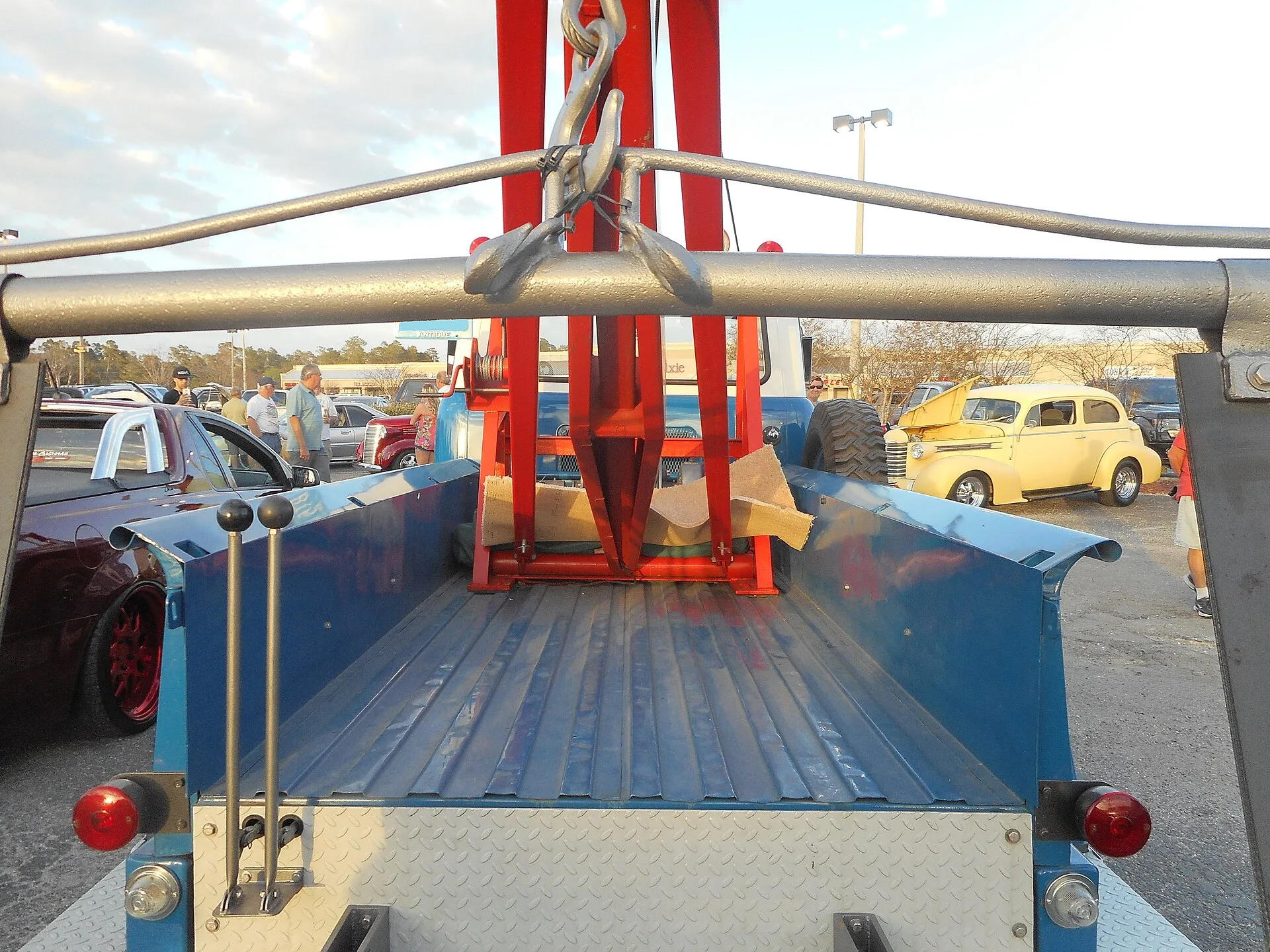
Match the job to the equipment before you quote it. A wheel-lift handles a sedan in a parking garage; a flatbed handles the all-wheel-drive that cannot be dragged. A medium-duty handles what a light-duty cannot. A rotator or boom truck handles heavy recovery.
The Federal Motor Carrier Safety Administration: Cargo Securement Rules set what an interstate load must do once it is on the truck. That rulebook is 49 CFR 393.100 through 393.136, and it covers tie-down counts, working load limits and commodity rules for vehicles.
Confirm with your state DOT how those rules reach your operation. In Texas, the Texas Department of Licensing and Regulation issues tow truck permits. In California, the DMV issues motor carrier permits and the California Highway Patrol inspects.
3. How the customer pays
A fleet account runs on purchase orders, net terms and a monthly invoice. A stranded motorist pays at the hook with a card. Those are two businesses sharing one truck.
Ask which one dominates the account, then price the hook, the mile, the winch-out and the storage day separately. Mixed billing is where unpaid invoices start.
Get the billing contact, the purchase order process and the payment method. QuickBooks, Stripe and Square are common for invoices and card payments. Ask who can authorize a winch-out without a supervisor.
4. What the contract actually says
Read the liability clause before the rate clause. Ask who carries cargo coverage, who pays for a dry run, and what happens to a vehicle sitting in your yard past the storage notice period.
Ask for a certificate of insurance and check on-hook cargo coverage and garagekeepers legal liability. If the customer is a broker or motor club, ask for its vendor agreement and hold-harmless language.
Storage, lien and impound procedures are set by your state or provincial authority and, in many cities, by the licensing office that issues your sticker. Get the current rule from them, not from a competitor.
5. What they already tried
Ask what the last provider did well and what made them leave. The answer is usually response time, a surprise invoice or a driver who could not reach the vehicle.
Ask for the last provider's name, the invoice that caused the split and the response window they missed. If the last provider was a national motor club, ask about dispatch fees and the callback time.
That history tells you which of your own numbers the customer will actually watch. It also tells you what to fix before you sign.
What to bring and what to leave
Bring your DOT number, your insurance certificate, your current rate sheet and a list of the jobs you turn down. Bring the names of the people who will answer the phone.
Bring a one-page rate card with the hook, the mile, the winch-out, the storage day and the after-hours fee. Leave the guarantees. Advertising claims must be truthful and supported, and endorsements must reflect honest experience with material relationships disclosed, per the Federal Trade Commission: Advertising FAQs: A Guide for Small Business.
After the call
Write the accepted scope into one page: rates, response windows, billing terms and the review date. Send it the same day, while the customer still remembers what they agreed to. Use email, Google Docs or a PDF.
Keep the call notes with the signed terms. The Internal Revenue Service: What kind of records should I keep? explains which documents support income, expenses, payroll and assets.
Worked example
A two-truck operator takes a call from a property management company with fourteen lots. The manager wants snow-season coverage and a fixed rate per hook.
The operator checks three things before quoting. Who answers at 2 a.m. (the owner, alone). What the trucks can pull (one wheel-lift, one flatbed). How the manager pays (net 30, purchase order per site).
The fixed rate only works if the property company sends one purchase order, not fourteen. That question decides the deal. A system like TowBook or Dispatch Anywhere can log the call and set the follow-up task.
Common questions
What should I ask first on a towing discovery call?
Ask who answers the after-hours line and what happens when nobody does. That answer sets the response window you can honestly promise.
Should I quote a rate on the call?
Only after you know the equipment match and the billing path. Quote the hook, the mile, the winch-out and the storage day as separate lines so the customer can compare.
What kills these deals after the call?
A surprise invoice or a missed response window. Both trace back to terms nobody wrote down, so send the one-page scope the same day.
What insurance should I ask for?
Ask for on-hook cargo coverage and garagekeepers legal liability. Check the limits and the effective dates before you sign.