Guides
Towing company services ranked: which ones earn a place
Towing company services ranked by what they demand in equipment, dispatch time, insurance and running cost, so an owner can see which lines pay.
What to take away
- Rank a towing company service line by three teststhe equipment it demands, how fast dispatch must answer, and what it costs to run between calls.
- A light-duty flatbed tow and a police-rotation hook are different businesses. Price them separately or the cheap one hides inside the good one.
- Heavy-duty recovery needs a rotator, a second operator and a supervisor on scene. Do not sell it off one truck and one driver.
- Storage and impound earn while the truck sits. They also carry release paperwork and lien duties a tow call never does.
- Keep the lines your trucks, drivers and cash can carry. A service you cannot staff at 2 a.m. is not a service line.
The ranked towing services, and what each demands
Ranked by the load each puts on a small fleet: equipment first, dispatch speed second, running cost third. A line that passes all three earns a permanent place on the menu. A line that fails one is a favor to a good account, not a product.
Dollar figures below are typical US market ranges as of 2026. Your city, your contracts, your fuel bill and your insurance carrier move them.
- Light-duty flatbed tow.A Jerr-Dan (Oshkosh) MPL or a Miller Industries Century 12-series aluminum bed on a one-ton or 3.5-ton chassis, one operator, a hook in under an hour. Retail hook fees typically run $75 to $150, then $3 to $6 per loaded mile. Steady demand, low drama, and the easiest line to train a new driver on.
- Light-duty wheel-lift.Vulcan and Dynamic build the common units, and the iron costs less than a flatbed. Loading is faster. All-wheel-drive and low-clearance cars need a set of dollies on the truck, so budget for them. Buy it as a second truck in an AWD-heavy market, not as the only truck.
- Roadside service: jump-starts, lockouts, fuel delivery, tire changes.One service van or a one-ton with a service body covers all four. Retail calls typically bill $50 to $100 plus an after-hours surcharge, and motor club networks such as AAA and Agero pay contracted rates below that. Volume is high, jobs are short, and the margin per call is thin.
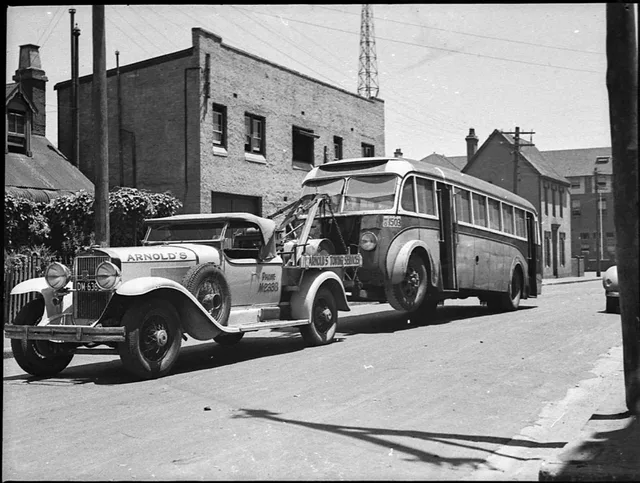
- Medium-duty tow.Box trucks, buses, loaded Sprinters. A 16-ton to 25-ton wrecker handles most of them. The driver needs air-brake training and usually a Class B CDL, and the insurance line is bigger than light-duty.
- Heavy-duty recovery and rotator work.Tractor-trailers, overturned rigs, off-road pulls. Miller Industries and NRC build the common rotators. Two operators minimum, a supervisor on scene, and a unit you own or subcontract. Recovery time typically bills $250 to $600 an hour, and a loaded tractor-trailer job often lands between $1,500 and $5,000.
- Storage and impound.Fenced yard, camera coverage, a release desk, a records trail. Typical storage runs $25 to $75 per vehicle per day, and many cities cap the rate by ordinance. Earns while the truck sits, with almost no fuel cost.
- Police rotation and municipal contract work.Guaranteed call flow in exchange for response-time commitments, fixed rates and city licensing. Steady, but you do not set the price. Read the agency's published tow policy before you apply.
- Fleet and account work.Scheduled service for a delivery company, dealership or rental branch. Predictable volume, invoiced monthly, and the slowest to collect. Tie the fuel surcharge to the weekly on-highway diesel price the US Energy Information Administration publishes, and the fuel argument ends.
- Private-property and parking-enforcement tows.Signs, authorization, a release process and a complaints line. Many states write the sign wording and the maximum rate into statute, so confirm with the licensing office before you print a sign.
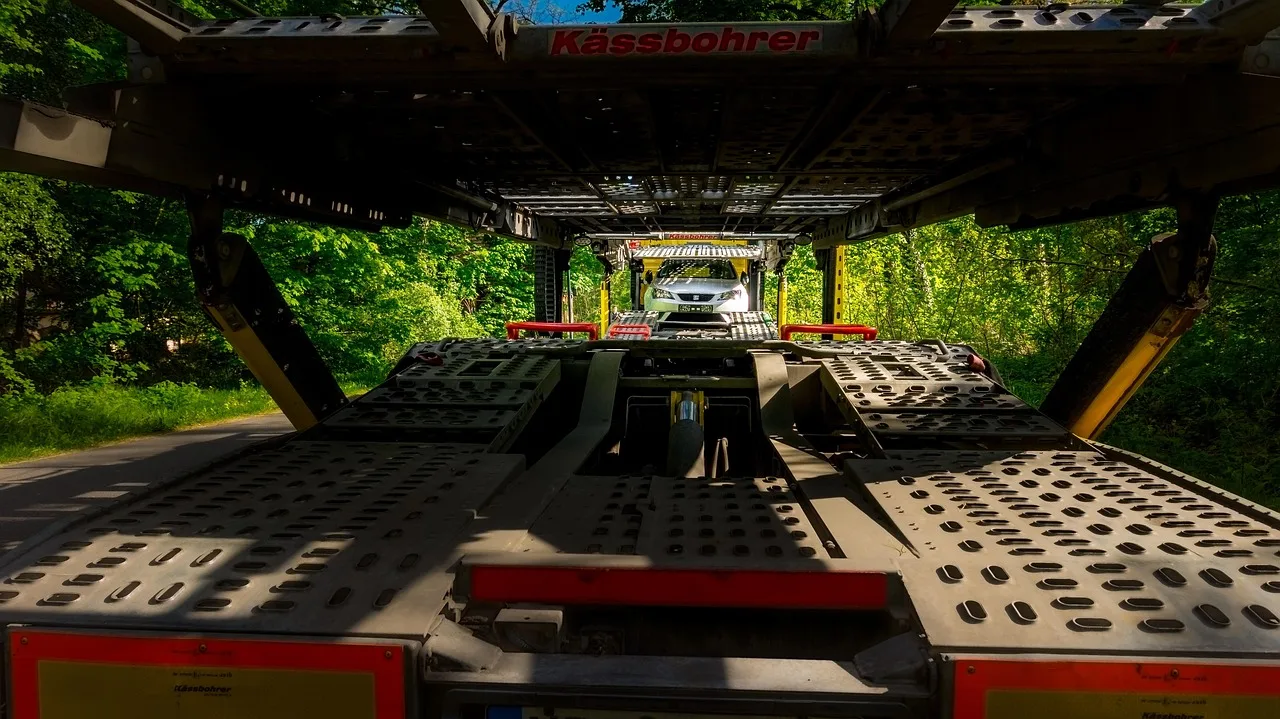
- Equipment transport and long-distance moves.A flatbed, or a Landoll 400-series or Trail King sliding-axle trailer for the heavy end. A booked slot and a mileage quote. Long hauls commonly bill $2.50 to $5 per loaded mile. Revenue per truck-hour is good and revenue per truck-day is poor.
Lines 1 to 4 earn a place on almost any menu: one truck, one driver, no yard.
Lines 5 to 10 need a rotator, a yard, a city permit or a signed contract before they pay. Equipment transport also needs a trailer, and private-property towing needs the property owner's authorization.
What separates the top of the list from the bottom
The top four lines share a trait: the truck does the job alone, in daylight or dark, without a second unit. The bottom lines need something else: a rotator, a yard, a city permit, a contract, or a customer who pays in thirty days.
Equipment decides the ceiling. A wheel-lift cannot lift what a flatbed carries, and no pricing trick changes that. Before adding a line, write down the truck it needs, the license class the driver needs and the insurance the carrier must agree to. If any of the three is missing, the line is not ready to sell.
Dispatch speed decides whether the line survives. A jump-start customer calls three companies and takes whoever answers first. A heavy-recovery customer calls one company and waits. The first line lives on answer time, the second on capability.
Running cost decides whether the line is worth keeping. Fuel, tires, driver hours, insurance and the idle time between calls all land on the same truck. A line that looks profitable per invoice can still lose money per truck-day.
Where the evidence sits
Cargo securement is the one part of this trade with a published federal rulebook. The FMCSA cargo securement rules set out performance duties and specific provisions, including roll-on, roll-off and hook-lift containers. Whether a given vehicle or operation falls under them is a question for the carrier and its own authority, not for a menu page.
Anything you print about a service line is an advertising claim. The FTC advertising FAQs for small business cover truthfulness, substantiation and endorsement disclosure. Fastest in the county is a claim that needs evidence behind it.
Records decide what you can prove at year end. The IRS guidance on business records explains the standard: a system that clearly shows income and expenses, with documents behind purchases, payroll and assets. A line with no clean records is a line you cannot price next year.
For driver pay, the BLS occupational employment and wage statistics tables publish estimates by occupation, industry and area. Use them as one input when you set a rate, not as the rate itself.
Trade groups fill in the rest. The Towing and Recovery Association of America and its state chapters publish model documents and track rate rules.
Every state has a move-over law that requires drivers to shift lanes or slow down for a stopped tow truck. Weight classes, equipment standards and inspection rules come from your state DOT or state police, so check the current version before you buy.
Pricing each line, without inventing a number
Build every quote from the same named variables, then substitute your own figures. The bracketed ranges are typical US market numbers; your own cost sheet sets the rest.
Pricing each line
- Hook fee (H), typically $75 to $150, plus loaded miles (M) times your per-mile rate (R), typically $3 to $6.
- Recovery time (T) at your hourly recovery rate (W), typically $250 to $600, plus a second-operator hour if the job needs one.
- Storage day rate (S), typically $25 to $75, times days held (D), plus an administrative release fee (A) where local rules allow one, typically $25 to $75.
- Fuel surcharge (F) as a percentage of the hook and mileage subtotal, recalculated on a published schedule. The weekly diesel price from the US Energy Information Administration is a defensible index.
Write the formula on the invoice. A customer who can see H, M and R argues less than one who sees a single lump sum. The same arithmetic compares lines: contribution per truck-hour decides what stays on the menu.
The lines that quietly drain a small fleet
Unpaid fleet invoices sit at the top. A thirty-day account that pays on day sixty turns your fuel money into their working capital. Set a credit limit per account and stop service when it is reached.
Drivers who quit in month two are the second drain. Heavy recovery and night rotation burn people faster than daytime light-duty work. If a line depends on one driver who is already looking tired, the line is fragile.
Equipment bought before demand existed is the third. A rotator that sits idle still carries insurance, finance and a parking space. Buy the truck when the calls are already booked, not when a competitor's brochure makes the case.
Contract terms that shift liability are the fourth. Read what the account expects you to carry, what it expects you to absorb, and who pays when a vehicle is damaged in the yard. A licensed attorney reviews that language, not the dispatch desk.
A worked example: adding a wheel-lift
A one-truck operator runs light-duty flatbed work and wants a second line. The flatbed is booked most mornings but idle after 6 p.m.
Equipment: a used wheel-lift unit typically costs less than a second flatbed, and the existing truck can stay on daytime work. A new flatbed truck commonly runs $90,000 to $130,000; a used wheel-lift unit often lists between $25,000 and $60,000.
Demand: evening calls are jump-starts and lockouts, which a wheel-lift does not serve. The operator checks whether the evening calls are actually disabled-vehicle tows.
Dispatch: a second truck means a second driver or a longer day for the owner.
If the evening calls are tows, the line works. If they are lockouts, the operator needs a service van instead, and the wheel-lift is the wrong purchase. Either way the arithmetic is the same: expected evening calls per week times contribution per call, against the monthly cost of the truck, the insurance and the driver hours.
Common questions
Which towing service makes the most money?
Storage and heavy recovery usually carry the highest contribution per job, because both need equipment few competitors own. Rates commonly run $25 to $75 a day in the yard and $250 to $600 an hour on a rotator.
Light-duty tows carry the highest volume and the thinnest margin, often $75 to $150 a hook. The honest answer depends on your trucks, your market and your accounts, so compare contribution per truck-hour across your own lines rather than copying another fleet's menu.
Should a small fleet join a police rotation?
A rotation buys call flow at the price of fixed rates, response-time commitments and city licensing. It suits an operator with a truck that would otherwise sit idle. It hurts an operator whose best truck is already booked. Read the issuing agency's published rules before you apply.
How many service lines should one truck carry?
As many as the truck, the driver and the paperwork can support without breaking the response promise. Three or four related lines on one truck is normal. More than that usually means one line is being delivered badly, and the customer who got the bad one tells other people.
When should a service line be dropped?
When it stops covering its own truck-day cost, when it depends on a driver you cannot replace, or when it pulls your best equipment away from work that pays better. Review the lines once a quarter against contribution per truck-hour, and retire one deliberately rather than letting it fade.
Document control for the towing company services menu: put an effective date on the price sheet, name the approved version, and keep superseded copies out of the dispatch software. Drivers should know where the current sheet lives and how to flag a job that does not fit any line on it.