Guides
The starter equipment list for a towing company
A towing company's first equipment list starts with tow trucks, then the wheel lift, dollies, chains, straps, and safety gear that make each call billable and legal.
What to take away
The starter equipment list for a towing company is a capacity decision, not a shopping list. What you buy decides which calls you can accept, which rotation lists will take you, and how much of each invoice survives the month.
- The truck decides the work. A flatbed, a wheel-lift wrecker and an integrated medium-duty unit each open a different set of calls.
- Chains, straps, J-hooks, soft ties and a winch line are consumables. Buy rated hardware and replace it on a schedule, not on failure.
- Cones, triangles, a warning light bar and a reflective vest keep a scene legal before the first hook is set.
- Dollies, jumper cables, a jump box, air and a spare-tire kit turn a second truck into a smaller bill.
- Every item on the list needs a purchase record, a service interval and a named person who checks it.
The trucks
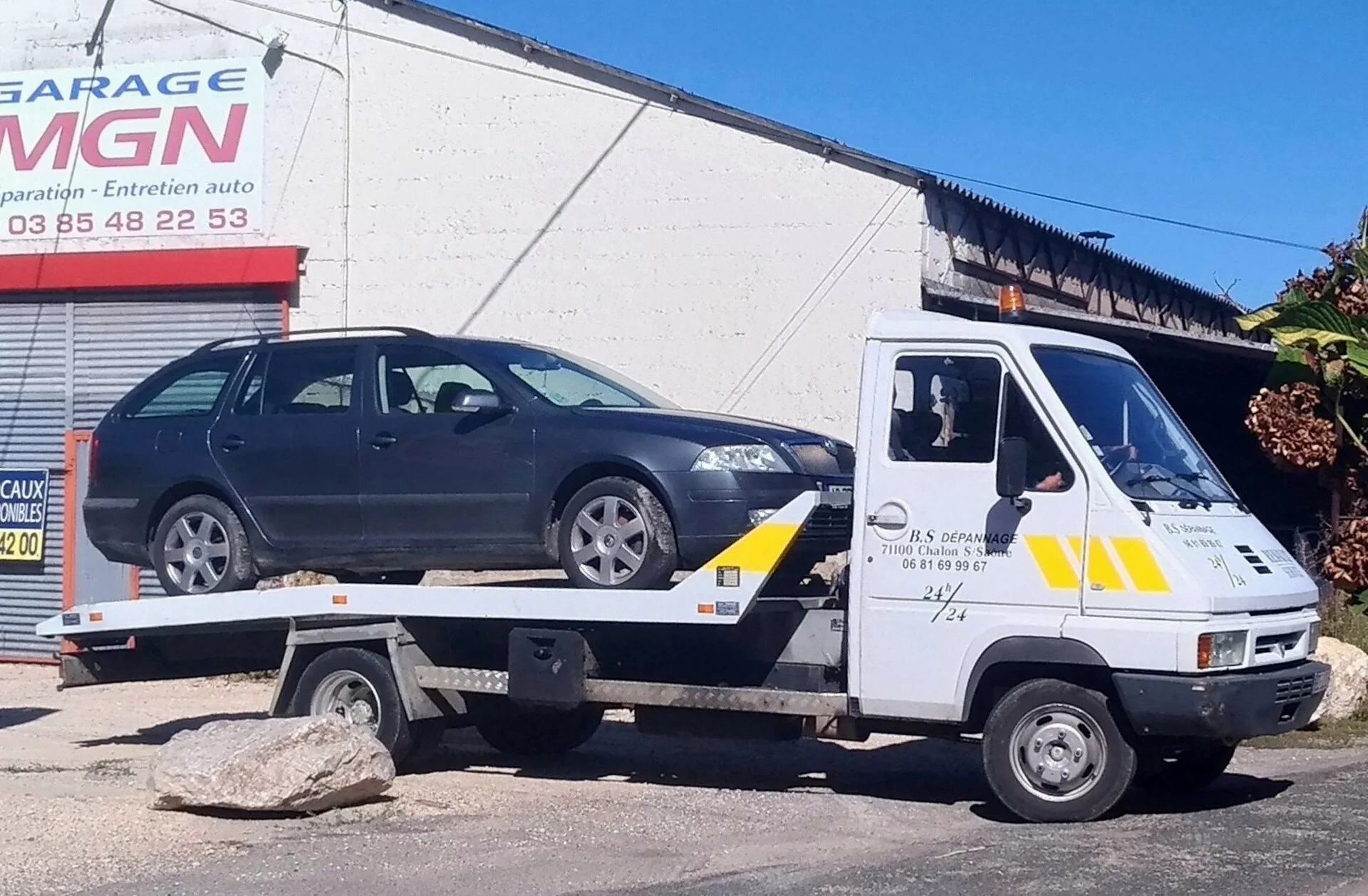
A flatbed carries the vehicle on a tilting deck. It handles no-start cars, damaged vehicles and anything with seized wheels.
One operator can run a flatbed, which makes it the usual entry point for a new company. Jerr-Dan, owned by Oshkosh, and the Miller Industries brands Century, Vulcan and Challenger are the builders to quote. A new light-duty flatbed typically runs $70,000 to $110,000; a used one often sells for $30,000 to $55,000.
A wheel-lift wrecker lifts two wheels and tows the rest. It reaches cars in garages and tight lots where a deck cannot go, and it is the standard unit on many police rotation lists.
A new wheel-lift wrecker typically costs $90,000 to $150,000. Vulcan, Century and Jerr-Dan are common on light-duty chassis.
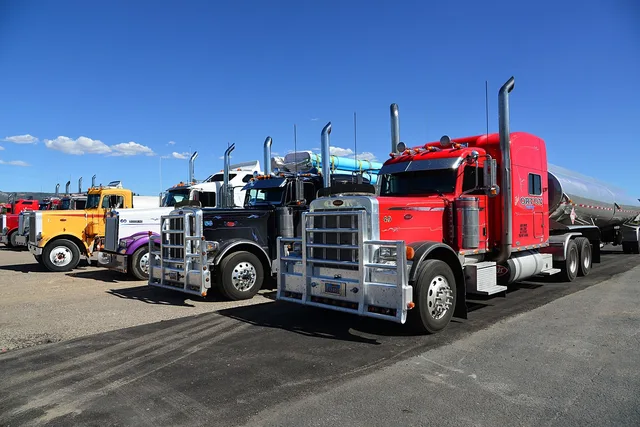
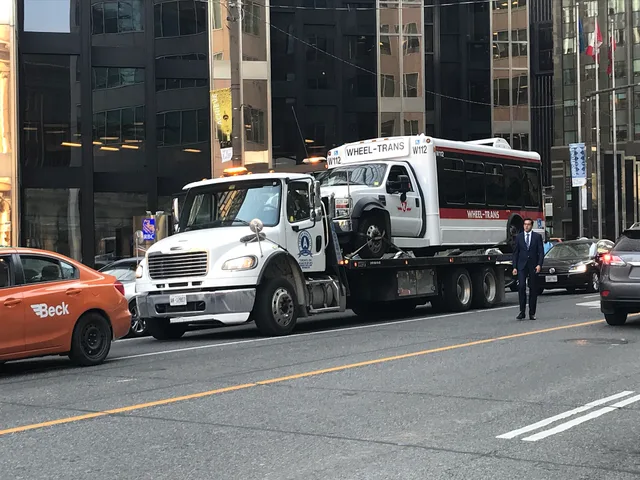
An integrated medium-duty unit combines a boom, a wheel lift and a recovery winch. It costs more and needs more operator skill, so buy it once the work already exists.
A new medium-duty unit typically starts around $150,000. Miller Industries builds the Challenger and Century medium-duty lines, and NRC Industries builds wreckers for medium and heavy work.
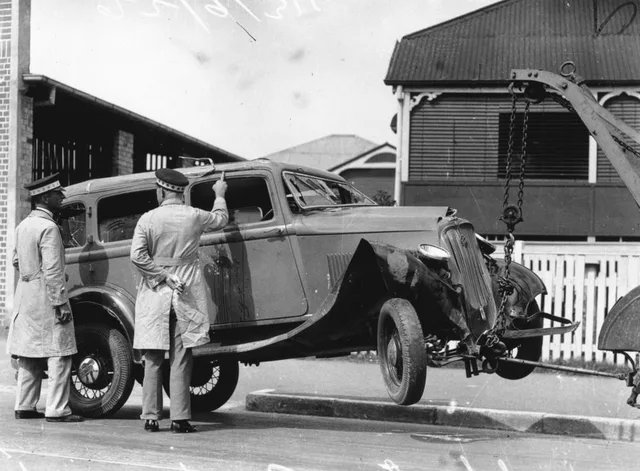
A tow sling is the older two-cable setup for undamaged vehicles with a solid frame. Most new companies skip it because a wheel lift covers the same calls with fewer damage claims.
Light-duty covers most passenger cars and light trucks. Medium-duty covers commercial vans and larger units. Check the gross vehicle weight rating on the door jamb of each truck you buy, and confirm it against the vehicles you expect to tow.
The gear that makes a call billable
Prices below are typical US ranges as of 2026.
- Grade 70 transport chain, 5/16 inch, typically $3 to $5 a foot, tagged with its working load limit
- Ratchet binders and load binders, typically $40 to $90 each
- J-hooks, T-hooks, soft ties and axle straps for vehicles with no usable frame point
- Winch line, snatch block and shackles, inspected before each shift
- Wheel lift grid, L-arms and tie-down ratchets
- Dollies for locked or damaged wheels, typically $700 to $1,800 a pair
- Jumper cables, a jump box such as a NOCO Boost or a Clore Jump-N-Carry, and a portable air tank
- Spill kit, absorbent and a container for recovered fluids
- Cones, triangles, a Whelen or Federal Signal light bar and reflective vests
- Straps, edge protectors and a load binder for cargo securement
Rated hardware is not optional. A 5/16-inch Grade 70 chain is commonly rated at 4,700 pounds. That working load limit is the number that matters, not the size of the link, because a chain or strap that fails under load turns a tow into a claim.
Zip's AW Direct and B/A Products sell J-hooks, soft ties and axle straps by the piece.
What the paperwork side needs
The Internal Revenue Service explains what records a business should keep: a system that clearly shows income and expenses, plus the documents behind purchases, payroll and assets. For a towing company that means a file per truck and a file per major item of gear.
The Federal Motor Carrier Safety Administration publishes cargo securement rules covering performance duties and provisions for roll-on, roll-off and hook-lift containers. Whether a given vehicle or operation falls under them depends on the operation, so check applicability before you rely on it.
The Occupational Safety and Health Administration sets out safety management guidance built on finding and fixing hazards before an injury or an inspection does it for you. A pre-shift walkaround on each truck is the cheapest version of that.
Document control and conflicts
Put an effective date on the equipment standard, name the approved version, and pull superseded copies out of the cab and the office binder. A driver working from last year's inspection sheet is working from a document nobody owns.
When a written rule and the real work disagree, the driver needs one place to report it and one person who decides. Log the conflict, the date and the fix. A rule that gets quietly ignored every shift is worse than no rule, because it teaches the crew that the binder is decoration.
Where to start
Buy the truck that matches the calls you can already book, then the gear that makes those calls billable. Add the second unit when the first one is turning work away, not before.
Keep the towing company equipment and setup guide open while you price the list. It covers the setup decisions that sit behind each purchase.
Common questions
What equipment does a towing company need first?
A light-duty truck, either a flatbed or a wheel-lift wrecker, typically $70,000 to $150,000 new. Add rated chains and straps, a winch line, tie-downs, cones and warning lights. Dollies, jumper cables and a spill kit come next because they let one truck finish more calls.
Do I need a flatbed or a wheel-lift to start?
A flatbed suits damaged and no-start vehicles and one operator. A wheel-lift reaches cars in garages and tight lots and is common on rotation lists. Many owners start with whichever matches the calls they can already book.
How often should towing gear be inspected?
Inspect chains, straps, hooks and the winch line before each shift, and replace rated hardware on the manufacturer's schedule or at the first sign of damage. Record the check so a failed item has a history behind it.
What records should a towing company keep for equipment?
Keep the purchase receipt, the rated capacity, the service history and the inspection log for each truck and each major item. The IRS recordkeeping guidance covers the income and expense side; the equipment file covers the rest.
![[Hurricane Katrina] Pass Christian, Miss., January 17, 2006 -- Wrecker driver Johnny Hogan looks on as a used wrecker donated by the California Tow Truck Driver's Association is delivered. Mr. Hogan lost his wrecker due to Hurricane Katrina. Mark Wolfe/FEMA. Should a towing company buy new or used equipment for owner-operators](/covers/new-vs-used-towing-company-equipment-cost-guide-640.webp?v=96426914)