Guides
Towtruck guide: Colorado pass vs. Front Range city work
This towtruck guide compares Colorado pass recovery with Front Range city towing by equipment, chain rules, staffing, dispatch, and billing structure.
What to take away
- This towtruck guide compares pass recovery with Denver metro roadside rescue, two businesses sharing one yard, one phone number and one payroll.
- Colorado chain laws apply to commercial vehicles on the I-70 mountain corridor in winter, and they change how you spec and dispatch a wrecker.
- A pass truck is a rotator or heavy wrecker with long cable and rated rigging; a metro truck is a medium flatbed or light wrecker.
- Pass work bills time and equipment, metro work bills a hook fee plus mileage, so the two need separate rate sheets.
- Staffing splits the same waymountain driving and chain experience on one side, volume and dispatch discipline on the other.
Colorado chain law and what it changes on a pass call
Colorado's Commercial Vehicle Chain Law and Passenger Vehicle Traction Law are key requirements a Front Range operator should check before bidding pass work. The Colorado Department of Transportation (CDOT) posts current traction restrictions for the I-70 mountain corridor, and the Colorado State Patrol enforces them at chain-up stations and checkpoints.
CDOT can implement traction and chain laws on any state highway, and drivers are alerted to an active Traction Law or Chain Law by highway signage, COtrip.org and road condition alerts. Passenger vehicles usually satisfy a traction law with adequate tires. The passenger vehicle chain law is the final safety measure before the highway is closed: when it is in effect, every vehicle must have chains or an approved alternative traction device. A tow truck pulling a loaded trailer or a heavy casualty falls under the commercial side of the rule.
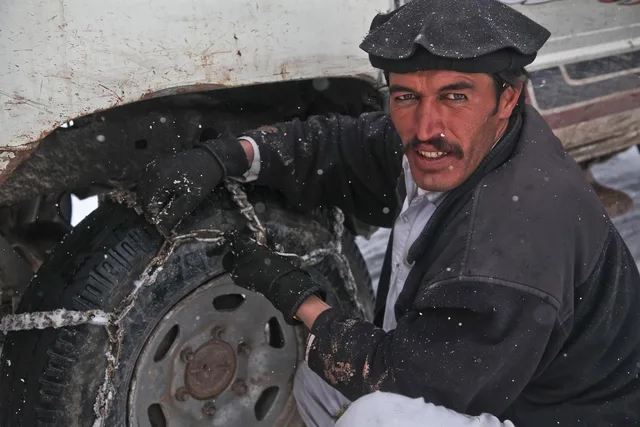
That changes the call before you hook up. A disabled tractor-trailer on the Eisenhower approach is not a hook and go. You chain the tow unit, sometimes the casualty, and you plan the pull around a closure window. Chain-up time is billable work and belongs on the invoice as its own line.
Geography sets the rest. Vail Pass, Loveland Pass, Berthoud Pass and the I-70 corridor above Georgetown offer narrow shoulders, steep grades and few places to stage a rotator. A job that takes forty minutes on I-25 can take three hours on a pass, because access is the hard part.
Know the difference between a tow and a recovery. A tow moves a vehicle that rolls. A recovery moves one that does not, and pass calls are disproportionately the second kind. Snow, ice, guardrail contact and off-road slides all push the job into recovery territory.
Federal Motor Carrier Safety Administration (FMCSA) equipment standards, codified as 49 CFR Part 393, Parts and Accessories Necessary for Safe Operation, govern what your truck must carry, from lighting to coupling devices, on a pass or on Federal Boulevard. Treat the pass as a stricter environment, not a different rulebook, as set out in the FMCSA equipment standards.
Heavy tow equipment for mountain pass work
Heavy tow equipment for Colorado pass work means rotators, 50-ton and larger wreckers, long boom reach and enough cable to work a slope without repositioning constantly. A Denver metro truck can be lighter and shorter and still earn its keep. A pass truck cannot.
Rigging matters as much as the truck. Chains, shackles, slings and synthetic lines have to be rated, inspected and retired on schedule, and federal rigging standards apply to the hardware you use in recovery. A snapped shackle on a grade is how people get killed, which is why the OSHA rigging rules in 29 CFR 1926.251, Rigging equipment for material handling, are worth reading before you buy gear.
Tire specification deserves its own budget line. Pass trucks run aggressive traction tires and carry chains for every drive axle. A tow truck at gross weight on a snow-packed grade has almost no margin, and the NHTSA tire guide explains how load ratings are set.
Winching capacity is the quiet cost. A rotator with 35 tons of line pull costs more than a standard heavy wrecker, and it only pays for itself if you actually get pass recovery calls. Many Front Range operators run one rotator and a fleet of lighter trucks, then subcontract the rare worst-case job.
- Chains sized for every drive axle, plus spares
- Rated shackles, slings and synthetic lines with inspection tags
- Long cable and extension lines for slope work
- Rotator or heavy wrecker with documented line pull
- Traction tires rated for the truck's loaded weight
- Rigging inspection log kept current
- Winter lighting and reflective marking in working order
Before buying anything, read up on towing company equipment and compare it against a realistic call mix. It is easy to buy a pass truck and then spend the winter doing jump starts in Aurora.
Denver metro roadside rescue call patterns
Denver metro roadside rescue is a volume business. Jump starts, lockouts, flat tires, fuel delivery and short tows dominate the board, and most runs finish inside thirty minutes of drive time. Boulder down to Castle Rock and out to Aurora generates steady demand across a wide spread of hours.
Traffic volume data from federal highway monitoring is a reasonable proxy for where that demand sits. Corridors with high vehicle miles traveled produce more breakdowns, and the same corridors produce more delay for your truck. Knowing the pattern lets you pre-position rather than chase, and the FHWA travel monitoring data gives you the corridor numbers.
City calls are more forgiving on equipment. A medium-duty flatbed handles most passenger work and a light wrecker covers the rest. You rarely need a rotator and you almost never need chains. What you need is a second truck and a dispatcher who answers the phone.
Customer expectations differ. A metro caller wants an ETA text and a card reader. A pass caller wants to know you can actually get there. Both matter, and they pull your operation in different directions.
City work also brings police rotation lists into play. Denver area departments and Colorado State Patrol maintain rotation agreements, and getting on one is often a matter of insurance, response time and a clean record rather than fleet size. That is a different sales motion from pass subcontracting.
Comparing equipment needs: mountain versus city
Comparing equipment needs
Mountain pass work
- Primary truck
- Rotator or heavy wrecker
- Chains
- Required in winter conditions
- Cable and rigging
- Long reach, heavy rated gear
- Typical job
- Recovery, off-road, rollover
- Job duration
- Hours
- Tire spec
- Aggressive traction, high load rating
- Staffing
- Two operators common
- Billing basis
- Hourly plus equipment
Denver metro work
- Primary truck
- Medium flatbed, light wrecker
- Chains
- Rarely used
- Cable and rigging
- Standard duty
- Typical job
- Jump, lockout, short tow
- Job duration
- Under an hour
- Tire spec
- All-season, load rated
- Staffing
- Single operator common
- Billing basis
- Hook fee plus mileage
A shop that runs both should not run the same truck on both. The wear pattern is different, the fuel burn is different and the risk profile is different. If you are weighing capital, towing company equipment setup decisions get easier once you separate the two duty cycles on paper.
CDL and driver qualification differences
Commercial Driver's License rules apply to tow truck operators when the vehicle crosses the weight thresholds set by federal law. A heavy wrecker or rotator used in interstate commerce generally requires a CDL, and the same is true for many combinations pulling a loaded casualty. The Federal Motor Carrier Safety Administration (FMCSA) CDL program sets the categories and the testing path. The weight groups are defined in 49 CFR 383.5: Group A covers combination vehicles, judged on gross combination weight rating including the towed unit, and Group B covers heavy straight vehicles, judged on gross vehicle weight rating.
Pass work raises the bar further in practice. Operators need mountain driving time, chain installation skill and comfort working on a grade with traffic moving past. None of that is on a written test, and it is the main reason pass staffing is hard.
City work rewards different traits. A clean driving record, patience with stranded customers, and the ability to work a card reader and a dispatch app matter more than winching hours. Many Denver metro operators run non-CDL light trucks and staff accordingly.
Endorsements and medical certification still apply where required, and drug and alcohol testing programs apply to CDL holders. Keep qualification files current for every driver, because rotation lists and insurance audits both ask for them.
Insurance is the hidden qualifier. Pass recovery work carries higher premiums, and some carriers will not write rotator operations at all. Check coverage before you bid the work, not after. In Colorado, the Public Utilities Commission (PUC) is the primary regulator of the towing industry. Its rules ensure that towing carriers meet minimum insurance requirements and set reasonable maximum rates for many types of tows. A towing carrier operates under a PUC towing permit, and under Rule 6503(c) carriers renewing that permit submit operational towing data every year.
Weather and altitude effects on towing operations
Altitude changes how trucks perform. Naturally aspirated engines lose power as elevation rises, and even turbocharged units see reduced cooling margin on long grades. A loaded wrecker climbing toward the tunnel is working harder than the same truck on flat ground in Commerce City.
Weather compounds it. Sudden snowstorms close lanes and sometimes the whole corridor, which strands your truck along with everyone else. Build closure time into pass estimates and keep fuel, food and warm gear on board.
Cold affects equipment too. Hydraulic fluid thickens, batteries weaken and chains wear faster on bare pavement. Shorten winter maintenance intervals for any truck running pass duty.
Heat is the metro problem. Summer breakdowns spike on hot pavement, and tire failures rise with surface temperature. Tire pressure checks belong on the daily inspection for city fleets as much as pass fleets.
Visibility is the last variable. Fog, blowing snow and spray cut response speed on the pass, and a safe operator slows down. Budget for it in the ETA you quote.
Billing and dispatch differences between pass and city work
Pass work is billed by time and equipment. A recovery might bill hourly for the wrecker, hourly for the rotator, plus rigging, plus chain time, plus a mileage component. The charge depends on job conditions, which are unknown until you arrive. That uncertainty is why towing company pricing has to include a contingency rather than a flat number.
City work prices on a schedule. Hook fee, mileage rate, after-hours multiplier and a flat rate for common services. Customers compare those numbers, so they need to be simple and repeatable.
Dispatch differs just as much. Metro calls arrive by phone, app and rotation list, and they queue. Pass calls often arrive by subcontract from another operator, by State Patrol request or by a fleet account, and they consume the whole day.
A Denver metro tow commonly combines a hook fee with a per-mile charge; the total depends on the schedule and distance.
A pass recovery may combine hourly heavy-wrecker and rotator charges with rigging, chain time and mileage. The total depends on equipment, time and recovery conditions.
Which of the two applies also decides who sets the ceiling. For many tows, the PUC sets reasonable maximum rates and publishes them on its Towing Rates page, so a metro rate sheet that includes nonconsensual work, such as tows from private property, has to sit within those caps. Every nonconsensual tow from residential or commercial private property must also be authorized on the PUC's standard Property Owner Tow Authorization Form. Consensual roadside calls and pass recoveries are priced from the operator's own costs and market.
Staffing follows the money. Metro work runs on shifts. Pass work runs on callouts, which is why many operators keep a small pass crew and a larger city crew. If you are sizing a new operation, look at which markets for towing company growth actually fits your trucks.
Decide early whether you buy new vs used towing company equipment for the pass fleet. A used heavy wrecker can work, but the inspection and repair budget has to reflect what a mountain winter does to a truck.
Common questions
Do tow trucks need chains in Colorado?
When Colorado's Commercial Vehicle Chain Law is in effect, commercial vehicles on the I-70 mountain corridor must carry and use traction devices as required. The Passenger Vehicle Traction Law applies to passenger vehicles, which generally satisfy the requirement with adequate tires. CDOT posts current restrictions, and the Colorado State Patrol enforces them at chain-up stations and checkpoints.
Is a CDL required to drive a tow truck in Colorado?
It depends on the vehicle's weight rating and how it is used. Heavy wreckers and rotators used in interstate commerce typically require a CDL under the Group A or Group B weight rules in 49 CFR 383.5, while many light metro trucks do not. The FMCSA CDL program sets the categories and the testing path.
Why does a mountain recovery cost so much more than a city tow?
Because it bills time and equipment rather than a flat hook fee. A rotator, a heavy wrecker, rigging and chain time can run for hours on a single pass job, and closure delays are part of the bill. A city tow usually finishes inside an hour on a published schedule.
Can a Denver metro truck handle pass work?
Sometimes, for light passenger vehicles in good conditions. It cannot substitute for a heavy wrecker on a loaded casualty or an off-road recovery. If pass work is more than an occasional call, the truck has to match the duty cycle.