Guides
How to start a one truck towing company in the United States: permits, insurance and the first calls
A one truck start in the United States: USDOT and MC authority, insurance minimums, truck costs, rates, dispatch lists and a first winter on the road.
What to take away
- Starting a towing company begins with your USDOT number from FMCSA, and a for-hire interstate tow truck also needs MC operating authority. Intrastate work follows your state DOT, public utility commission or a city license, such as the CHP Motor Carrier Permit in California.
- FMCSA minimum liability is $750,000 for tow vehicles rated over 10,001 pounds GVWR and $300,000 below that. Motor clubs usually ask for $1 million.
- Cargo securement on a flatbed follows 49 CFR Part 393 Subpart I. A load that shifts is a citation, a claim, or both.
- A police rotation list and a motor club contract are two different doors, each with its own insurance certificate, response-time and equipment rules.
- Price a hook, a loaded mile, a winch-out and a storage day separately. A blended rate hides the job that loses money.
- A used wrecker with a known service history usually beats a new one when the bank wants a personal guarantee and the first winter is unproven.
- This guide is written for the United States. A short section near the end covers Canada, the UK and the EU.
This article covers starting a towing company: entity, authority, truck, insurance, rates and dispatch lists. It does not cover recovery technique, securement practice or scene safety. Those sit with certified training such as WreckMaster and your state safety authority. Confirm every permit, tax and insurance point with the issuing agency and a licensed attorney or accountant.
Step 1: pick the entity and the tax accounts
Register the business with your state, then get an EIN from the IRS. The IRS starting-a-business page covers structure and tax accounts.
Most towing operators choose an LLC or an S-corp, and the reason is liability rather than tax. A hooked car that rolls is a claim against the company, not against the owner's house.
If you will pay drivers, open a payroll account and buy workers' compensation before the first one clocks in. Towing workers' comp is priced per $100 of payroll, typically $6 to $15 depending on your state and claim history.
The SBA business guide covers the planning and launch sequence.
Step 2: get the authority that lets you tow
Interstate towing for hire needs a USDOT number and an MC number from FMCSA, filed through the Unified Registration System. The registration fee is typically about $300. A BOC-3 process agent filing runs roughly $30 to $100 through CT Corporation or CSC.
Intrastate work usually falls to your state DOT, public utility commission or a dedicated regulator. California issues a Motor Carrier Permit through the DMV and requires a CHP inspection. New York City towing needs a DCWP license, and some cities add a vehicle sticker.
Ask three questions at the counter: which authority covers this work, what insurance certificate you want on file, and how long renewal takes. Get the answers in writing. A truck parked two weeks waiting on paperwork earns nothing.
Interstate fleets also need apportioned IRP plates, an IFTA fuel license and Unified Carrier Registration. A tow truck over 26,000 pounds GVWR generally needs a Class B CDL, and California adds a tow truck driver certificate. Pre-hire Clearinghouse queries are mandatory.
Step 3: buy the truck that matches the work
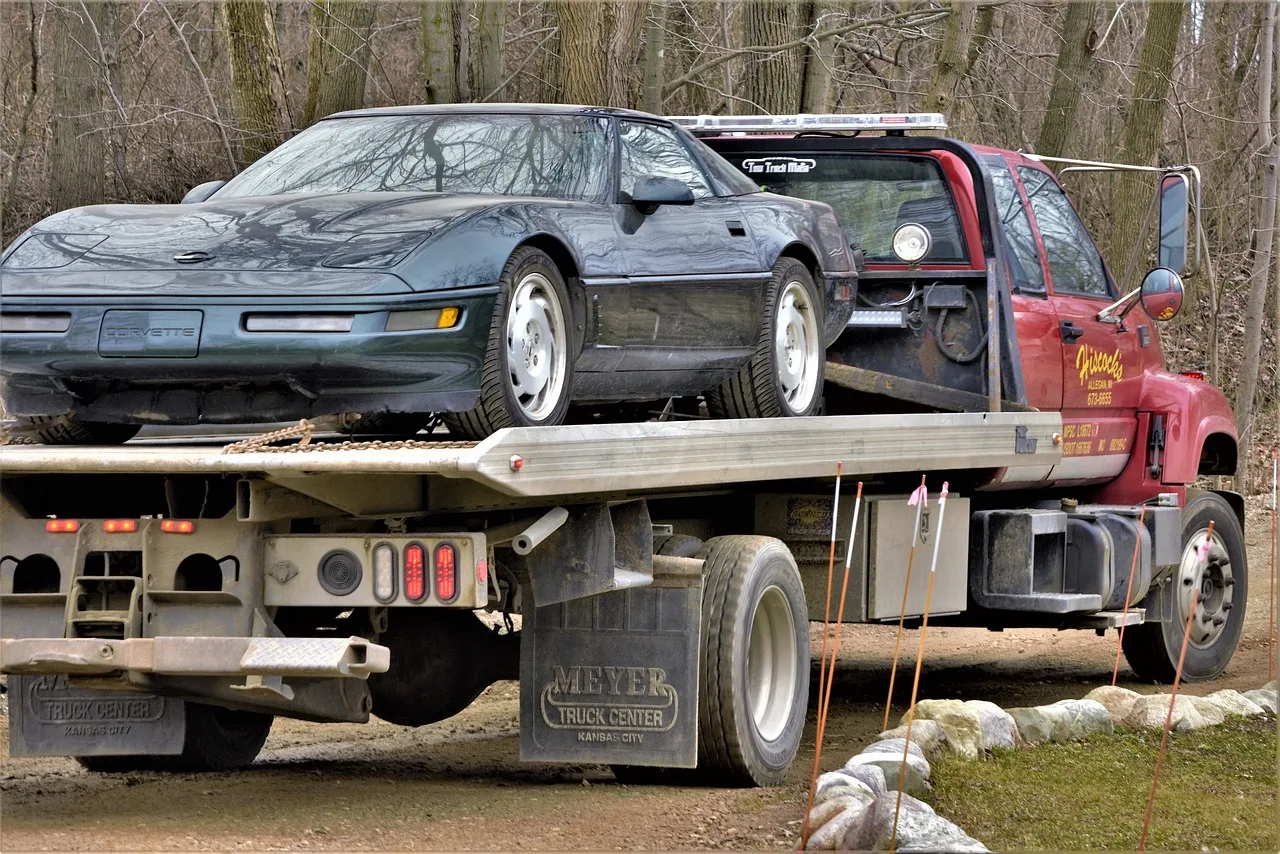
Light-duty wheel-lift handles passenger cars and most police calls. A flatbed carries more and damages less, and it costs more to buy and run. Medium-duty is a different business: heavier calls, heavier insurance, heavier repair bills.
In most markets a new light-duty wrecker on a Ford F-550, Ram 5500 or Chevrolet Silverado 5500 chassis runs about $110,000 to $145,000. A 2016 to 2020 used unit with service records typically sells for $45,000 to $80,000. Heavy wreckers pass $400,000.
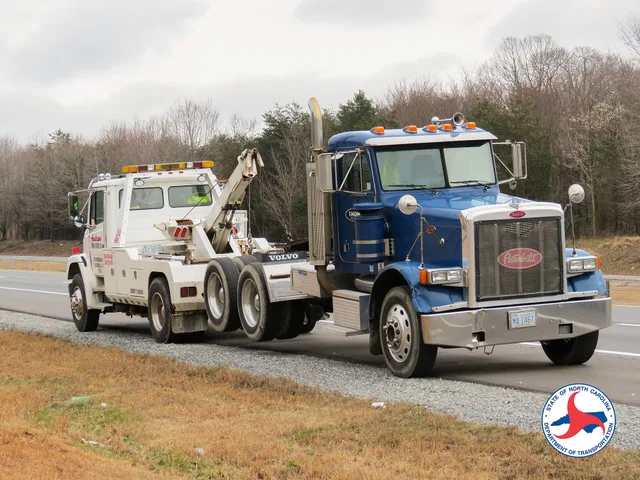
Bodies come from Miller Industries, which builds Century, Vulcan, Holmes, Challenger and Chevron, or from Jerr-Dan, owned by Oshkosh. Dynamic and NRC cover other classes. Match the winch rating and wheel-lift capacity to the cars you will actually hook.
Before you sign, price the whole unit:
Buy the truck that matches the work
- chassis
- bed or wheel-lift
- winch rating
- wheel lift capacity
- lighting
- the storage yard to park it in
A used wrecker with service records and known engine hours often beats a new one for a first truck.
Step 4: cover the risks that end companies
You need commercial auto, general liability, garagekeepers or on-hook coverage, and cargo coverage. Motor clubs and police rotation lists will ask for a certificate naming them, and they usually want $1 million combined single limit, above your state minimum.
FMCSA sets minimum liability at $750,000 for for-hire tow vehicles over 10,001 pounds GVWR, and $300,000 below that. Carriers that write towing include Progressive Commercial, Great West Casualty and Sentry. Ask your broker which dispatch lists they already file certificates with.
FMCSA's cargo securement rules sit in 49 CFR Part 393 Subpart I and set performance criteria, including 0.8 g forward deceleration. Read the summary, then confirm whether your vehicle falls under it. A load that moves is a citation and a claim.
Drivers can train through WreckMaster, which certifies light, medium and heavy recovery, or through the Towing and Recovery Association of America.
Step 5: price the job, not the hour
Set a hook fee, a per-mile rate, a winch-out rate and a daily storage rate as separate lines. A fuel surcharge is the fifth line, and it should move with your diesel cost rather than sit fixed for a year.
Price the job, not the hour
| Line | What it covers | Typical range in most US markets |
|---|---|---|
| Hook fee | Arrival and hookup | $75 to $150 |
| Loaded mile | Transport to destination | $3 to $7 per mile |
| Winch-out | Off-road recovery | $150 to $400 |
| Storage | Per day, per space | $25 to $75 |
| Heavy-duty hourly | Rotation or recovery work | $250 to $500 per hour, two-hour minimum |
| Fuel surcharge | Diesel movement | 5% to 12% of the tow, recalculated on a set schedule |
Run the arithmetic with your own numbers: monthly fixed cost divided by billable calls gives break-even per call. A $9,000 month across 150 calls means $60 a call before any profit. Anything below that line is a favour.
Step 6: get on the lists that send calls
Motor club contracts pay less per call but arrive steadily and pay on a cycle. AAA clubs, Agero, Honk and Urgently all contract tow providers directly. Police rotation lists pay more and are awarded under published rules, such as the CHP Tow Service Agreement in California.
Both want proof of insurance, a response-time commitment and a clean inspection record. Keep a folder with your authority, certificates, inspection reports and driver records. When a list opens, you can answer the same week.
Dispatch and billing software pays for itself once two trucks roll. Towbook runs about $40 to $60 per truck per month, and Ranger SST and Beacon's TowMagic are common alternatives. TowLien handles state lien paperwork for unclaimed cars.
Startup cost summary
Capital needed for a one-truck start, using typical US ranges:
| Item | Typical cost | Notes |
|---|---|---|
| Used light-duty wrecker | $45,000 to $80,000 | 2016 to 2020 unit with service records |
| New light-duty wrecker | $110,000 to $145,000 | Ford F-550, Ram 5500 or Silverado 5500 chassis |
| Heavy wrecker | $400,000 and up | Heavier calls, heavier insurance, heavier repairs |
| USDOT and MC registration | About $300 | Filed through the FMCSA Unified Registration System |
| BOC-3 process agent | $30 to $100 | One-time filing through a commercial agent |
| State or city operating permit | $100 to $1,500 | Set by the state or city; California adds a CHP inspection |
| Insurance, first year | $10,800 to $18,000 | Based on a $900 to $1,500 monthly bill |
| Dispatch and billing software | $40 to $60 per truck per month | Towbook, Ranger SST, TowMagic |
| Storage yard | Varies | Lease, zoning and lot insurance drive the number |
Total for a used one-truck start, including first-year insurance and software: typically $60,000 to $110,000, plus working capital for the first slow month.
Startup timeline
Typical weeks for a one-truck start in the US:
| Step | Typical time | What holds it up |
|---|---|---|
| LLC or corporation | Same day to 2 weeks | State filing backlog |
| EIN | Same day online | Name and address must match the state filing |
| USDOT and MC | 2 to 4 weeks | Insurance filing and BOC-3 must be on record |
| Insurance bound | 1 to 2 weeks | Underwriter review of driver records |
| Truck bought and plated | 2 to 8 weeks | IRP plates and a state inspection |
| First paid call | 4 to 10 weeks | Motor club contract or a place on a rotation list |
Plan on six to ten weeks from filing to the first call if the truck is ready when the authority lands.
Worked example: the first winter
A one-truck operator starts with a used wheel-lift, a USDOT number and a motor club contract. Summer calls cover the note and a typical $900 to $1,500 monthly insurance bill. In January a storm doubles call volume, and the truck throws a water pump.
The operator who survives that week has three habits. Every call is priced to carry its own bad days. Records are written the day they happen, not at month end. Every stranded motorist gets asked which fleet account needs a tow.
Outside the United States: Canada, the UK and the EU
Canada splits the job. An extra-provincial carrier needs a Safety Fitness Certificate from Transport Canada, and each province issues its own operating authority. Provinces license the operator. Ontario and British Columbia both run their own tow and motor carrier programs.
Minimum liability is set by each province, not by the federal government. Motor clubs and police lists in Canada typically ask for C$1 million to C$2 million, so ask the club what it wants on file before you buy the truck.
In the UK, towing for hire and reward with a vehicle over 3.5 tonnes gross needs a goods vehicle operator licence from the Traffic Commissioner. Third party insurance is the legal floor, and insurers rate towing as its own class.
In the EU, moving goods between member states needs a Community Licence under Regulation (EC) 1071/2009. The operator has to show good repute, financial standing, professional competence and a real establishment in a member state. Each member state sets its own third party insurance minimum, on top of the floor in EU motor insurance law.
Outside these three markets, start with the national transport regulator and treat the US steps as a list of questions to ask.
Common questions
Do I need a USDOT number to start towing?
For interstate towing for hire, yes, along with MC operating authority from FMCSA. Intrastate work usually falls under your state DOT or public utility commission. Confirm which applies to your routes before you buy the truck; California, for example, routes it through the DMV and CHP.
What insurance does a towing company need?
Commercial auto, general liability, on-hook or garagekeepers coverage, and cargo coverage are the usual four. FMCSA minimums are $750,000 over 10,001 pounds GVWR. Motor clubs and rotation lists often name $1 million. Ask your broker what each list requires before you apply.
How do I price a tow?
Separate the hook fee, loaded mile, winch-out, storage day and fuel surcharge. In most markets that is $75 to $150 to hook, $3 to $7 a loaded mile and $25 to $75 a storage day. Divide monthly fixed cost by realistic billable calls to find break-even.