Guides
The startup budget for a towing company and the ways to finance it for a small operation
A line-by-line towing startup budget and the loans, leases and grants that cover it, from a used wheel-lift truck to a first flatbed.
Treat the launch as a chain of choices, not a single price tag: decide what truck fits, whether your cash can cover the early quiet months, and which financing route leaves room to operate. Follow the branch closest to your situation, then use its rule of thumb before committing funds or taking on a payment.
If you are choosing the truck now
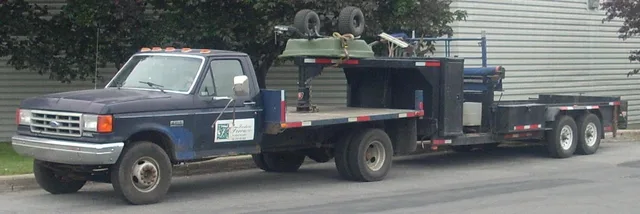
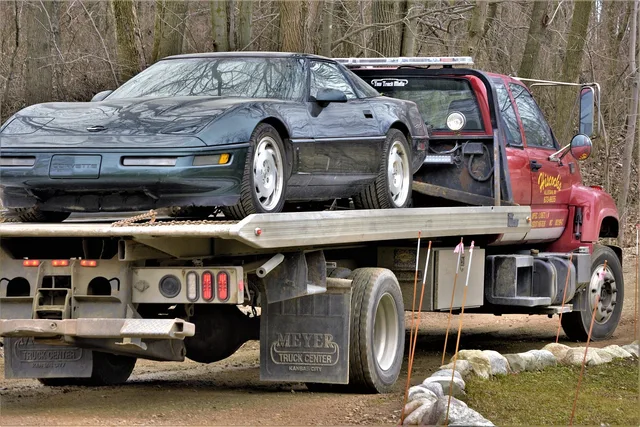
Match the vehicle to the work you expect to take, because the truck claims the largest portion of a small operation's startup budget.
A one-truck setup built around a used wheel-lift, insurance, a DOT number and working cash commonly needs $60,000 to $120,000. A new flatbed can exceed $150,000 before adding a wheel lift.
A used light-duty wheel-lift with 150,000 miles may cost $35,000 to $60,000, while medium-duty wreckers fall between that and a new flatbed and cost more to run. Price alone does not reveal upcoming repairs: arrange an inspection by a towing-equipment mechanic before signing, especially for bed, transmission or hydraulic problems.
Cost decision / Figures to allow for
- Used light-duty wheel-lift
- $35,000 to $60,000
- Securement and recovery equipment
- $2,000 to $5,000
- DOT number, plates and permits
- $500 to $3,000
- Yard or parking
- $500 to $2,000 per month
- Dispatch and impound software
- $100 to $400 per month
- Cash reserve
- Three months of fixed costs
Here is how those lines add up in an illustrative one-truck budget. The low case combines a $35,000 truck, $2,000 of gear, $500 for the DOT number and permits, $8,000 of first-year insurance, three months of yard and software at $1,800, and a $12,000 allowance for fuel, maintenance and wages: about $59,300. The high case uses a $60,000 truck, $5,000 of gear, $3,000 for permits, $20,000 of insurance, $7,200 for three months of yard and software, and a $25,000 allowance: about $120,200. That is the $60,000 to $120,000 range, and your own quotes should replace each number.
Keep securement gear as its own budget item. Straps, chains, ratchets, wheel chocks, J-hooks and a spill kit all add to the bill, and the gear needs to suit the loads you carry. Apply current cargo securement rules rather than treating equipment as an optional extra.
- Rule of thumb: Buy the truck whose condition and work type you can justify, not simply the one with the lowest asking price.
If a quiet first season could strain your cash
Protect three months of fixed costs before spending every available dollar on the truck. Yard rent, insurance, software and fuel continue to require cash, while receipts may arrive later.
Many one-truck operations need 12 to 24 months to reach steady profit, so a reserve matters even when the truck is already earning.
Insurance is usually the second-largest startup expense. Commercial auto, general liability, on-hook cargo and garagekeepers are separate coverages, and first-year premiums for one truck often fall between $8,000 and $20,000 depending on state, driving record and limits. Compare the commercial towing insurance lines before settling the amount.
A winter storm may bring 40 calls across three days, while payment for motor club work takes six weeks to arrive; the reserve bridges that gap for fuel, payroll and fixed costs, as explained in weekly cash flow. The cash cushion can be the difference between getting through February and having to sell the truck.
- Rule of thumb: If you cannot fund three months of fixed costs, reduce the upfront commitment before relying on call volume.
If you need outside money to get moving
A small operation can combine financing sources rather than expect one source to pay the entire startup bill. Compare the payment, ownership terms and cash left for operations.
A bank still evaluates the borrower for an SBA-backed loan, while a lease or seller note can change the upfront amount and the total cost.
- SBA 7(a):Can fund equipment, working capital and startup costs, with terms up to 10 years for equipment. The SBA guarantees part of the loan, and lenders typically expect the owner to put in about 10 percent of the project for a startup. The SBA's business planning guidance is useful preparation; lenders still underwrite the application.
- SBA 504:Suits fixed assets such as a truck or yard building, with a bank and a certified development company each providing part of the financing.
- Equipment lease:Leasing can lower the cash required at the start, but you do not own the truck and the overall cost is higher.
- Grants:The SBA does not offer grants to start a business, so do not plan the budget around one. Some state economic development offices and local programs support new businesses. Ask a Small Business Development Center counselor which are open in your state.
- Seller financing:A seller may carry a note on a used truck. Approval can be easier than at a bank, but the term is shorter and the rate higher, so put the agreement in writing.
Before applying, prepare a business plan and review the IRS starting a business page, which addresses structure, tax IDs and recordkeeping. Personal savings can also contribute, but relying on borrowed funds alone leaves little room for a delayed payment or an unexpected repair.
To compare offers, run the payment arithmetic. Financing $50,000 over five years costs about $1,038 a month at 9 percent, with roughly $12,300 of interest in total. At 12 percent the payment is about $1,112 and the interest about $16,700. These are worked examples, not quotes. Ask each lender for the rate, fees, down payment and total cost.
- Rule of thumb: Choose financing by how much operating cash remains after the truck is funded, not by the approval amount alone.
If you need calls before retail demand grows
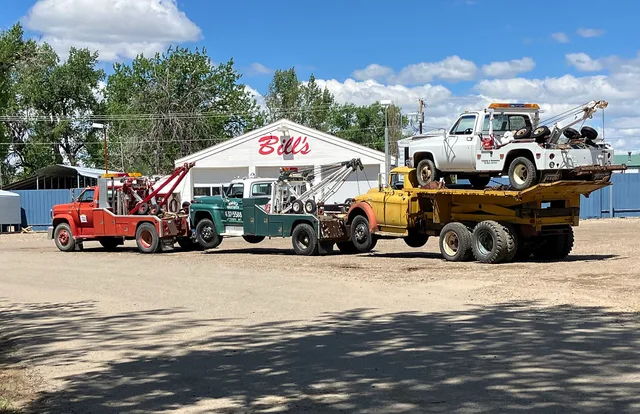
Motor club work and police rotation lists can bring early volume, but neither guarantees attractive margins. A motor club sets the rate and may pay on net-30 or net-45 terms. AAA and Agero are large networks, while a police rotation list assigns calls according to your position on the roster.
Those sources can keep a truck moving, but slow payment means fuel and payroll may fall due before the invoice clears. Rotation work is also limited by list position and fixed rates. Account for both the timing of payment and the rate offered when estimating whether the work supports your monthly costs.
Retail calls and fleet accounts can pay better and faster, but take longer to develop. Many operators combine these with rotation work: the roster adds volume, while retail and fleet jobs contribute more margin. Check call pricing so the work is priced to carry its share of costs.
- Rule of thumb: Use early volume to keep work coming, but do not treat a full schedule as proof that the rates or payment timing are sustainable.
If permits or operating rules are still unclear
Resolve the requirements for your state and city before treating the truck as ready to work. The DOT number is free from FMCSA, but operating authority, plates, a city sticker and rotation-list requirements may involve fees. Check the relevant regulator and licensing office for current rules and costs. The federal USDOT number comes from the FMCSA registration system. States then add their own rules: in Texas the Department of Licensing and Regulation licenses towing companies under Chapter 2308 of the Occupations Code, and in Illinois the Illinois Commerce Commission issues relocator licenses for private-property towing. Other states and cities set their own agencies, forms and fees.
For interstate commercial vehicle operations, a DOT number is required; state rules may also apply. Review FMCSA operations rules and towing licensing requirements. Cargo securement and scene safety are operational matters, so follow current requirements and seek advice from a licensed attorney or accountant for local legal, tax or insurance questions.
For the wider launch sequence, use the towing startup guide and the one-truck launch instructions. These resources sit alongside the budget decisions: confirm the truck, financing, cash reserve and local permissions before committing to the operation.
- Rule of thumb: Do not count a truck as launch-ready until the regulator and city office have confirmed the requirements that apply to it.